Hot pan, small batches
If the pan temperature collapses, you get steam, not sear. I cook chicken in two rounds if needed.
 CookMe
🇨🇳 Chinese cooking from my kitchen
Chinese cooking at home is a mise-en-place sport. The pan is ready before I am. The first kung pao I made tasted boiled because I crowded a cold pan and let the chicken stew. Now I velvet the meat, get the oil shimmering, and cook in furious short bursts.
How I cook this
Velvetting — a light coating of starch and seasoning on the meat — is the restaurant trick that made home stir-fries tender instead of dry. I do a quick version even on weeknights.
Potstickers taught me not to fidget. Steam-fry: water in, lid on, then uncover for the crisp skirt. Move them early and you tear the bottoms.
Sichuan dishes in my kitchen are about balance more than pure heat: chilli, a little sweet, plenty of aroma. Fish-fragrant eggplant only works when the eggplant is fried enough that it stops drinking oil forever.
If the pan temperature collapses, you get steam, not sear. I cook chicken in two rounds if needed.
Dan dan and kung pao move too fast to measure mid-cook. Sauce in a cup before the oil hits.
Underfried eggplant turns oily and sad. Fry until creamy inside, then sauce.
Velvetting, high-heat stir-fry, and steam-fry dumpling method reflect standard Chinese home/restaurant technique adapted to a home burner.
4 tested dishes
Same card layout as the homepage — open a recipe for the full method, tips, and estimated nutrition.
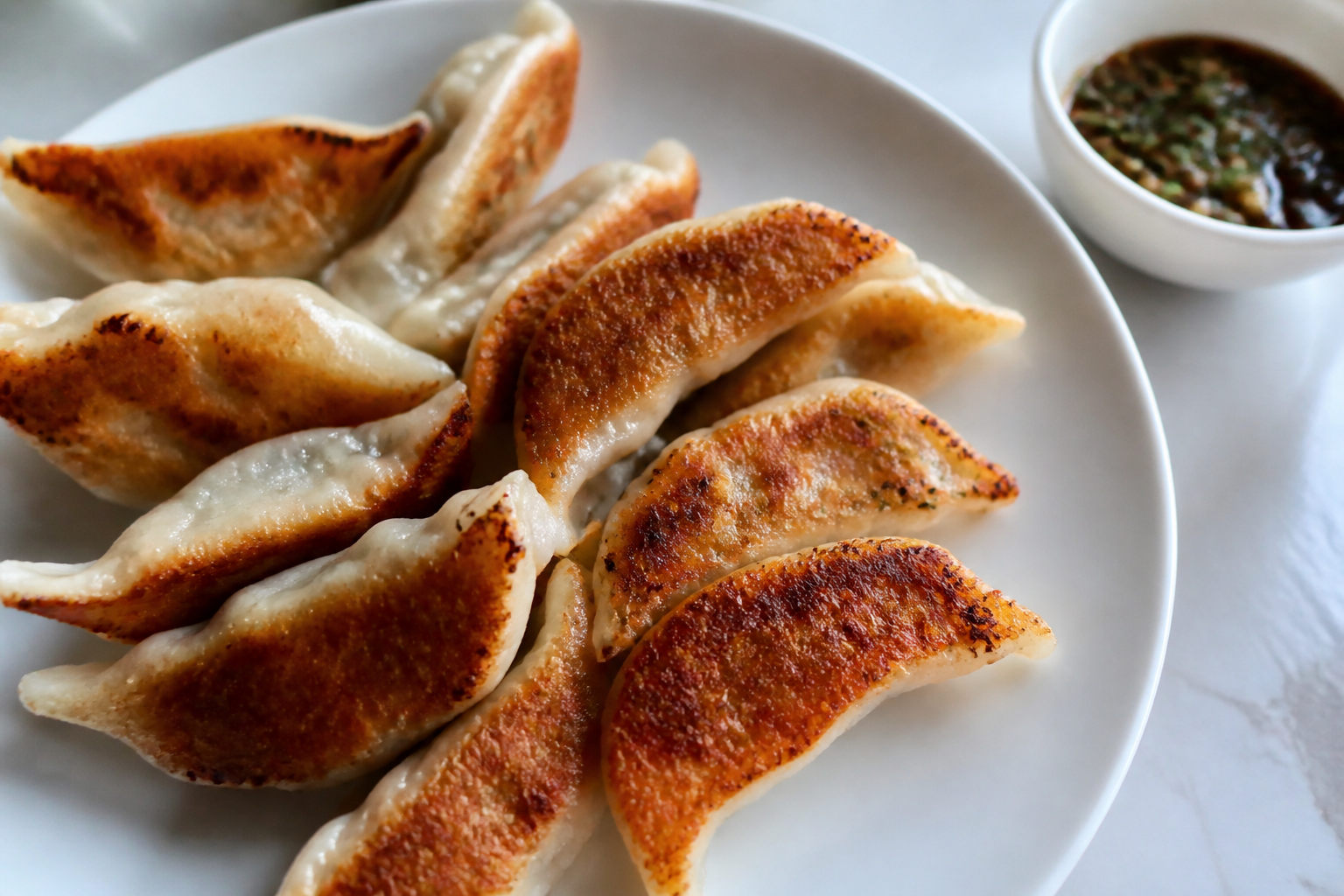 Dumpling
Pleat once, steam-fry until the bottoms are glass-crisp, and do not move them too early.
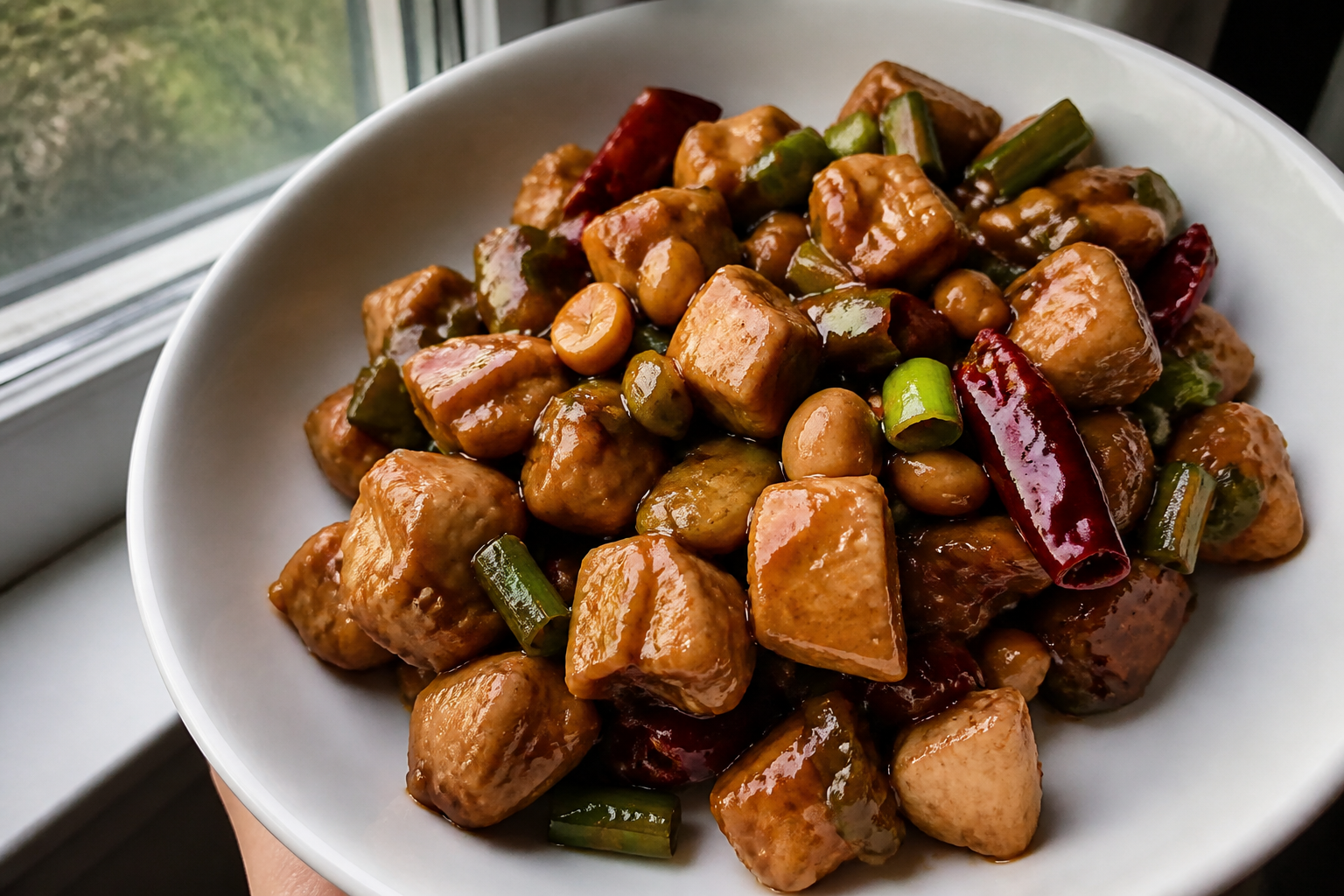 Stir-fry
Velvet the chicken, work fast in a hot pan, balance chilli heat with a touch of sweetness.
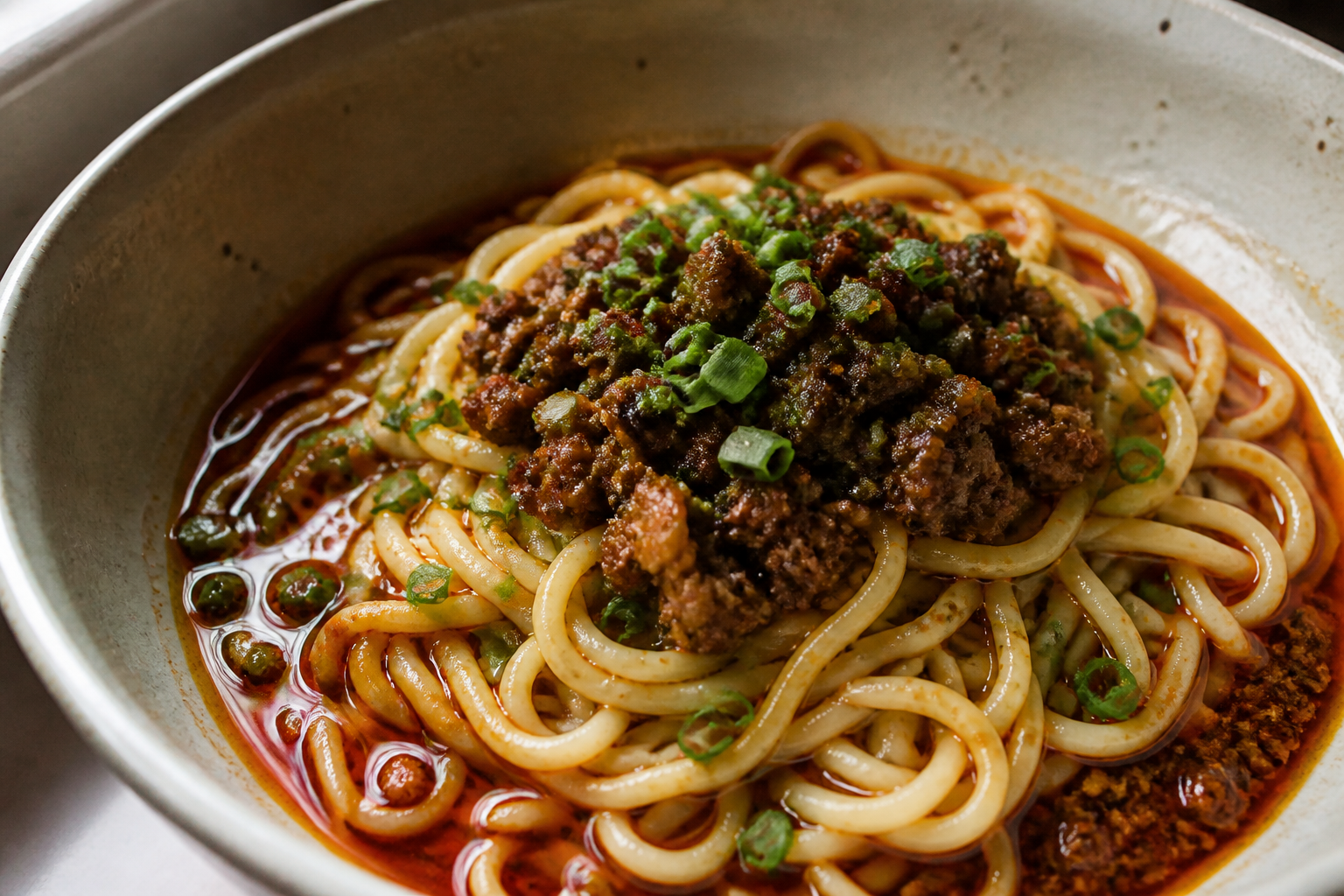 Noodles
Sauce first in the bowl, noodles on top, toss at the table so the chilli oil coats evenly.
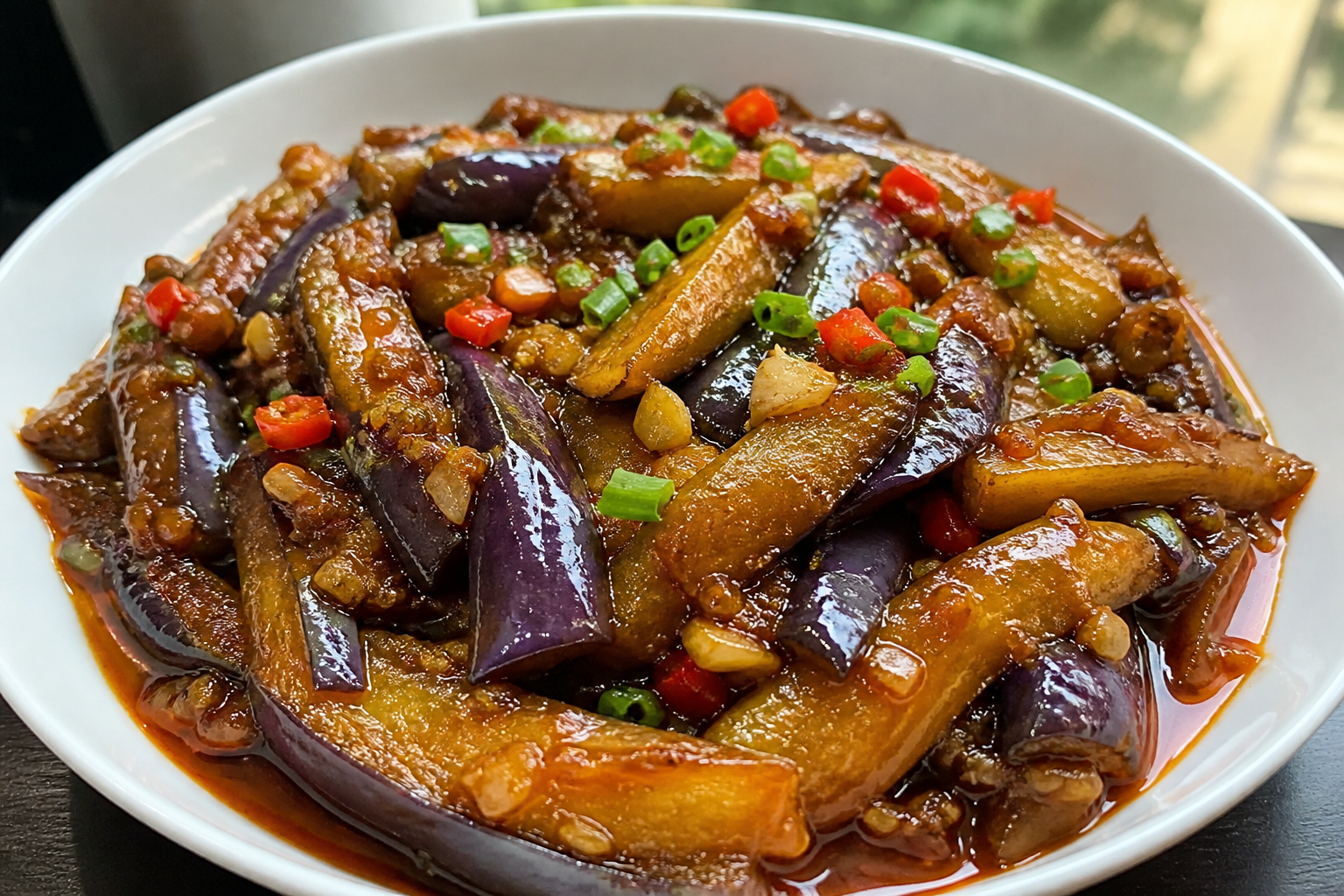 Sichuan
Fry the eggplant until it drinks less oil, then sauce it pungent and a little sweet.